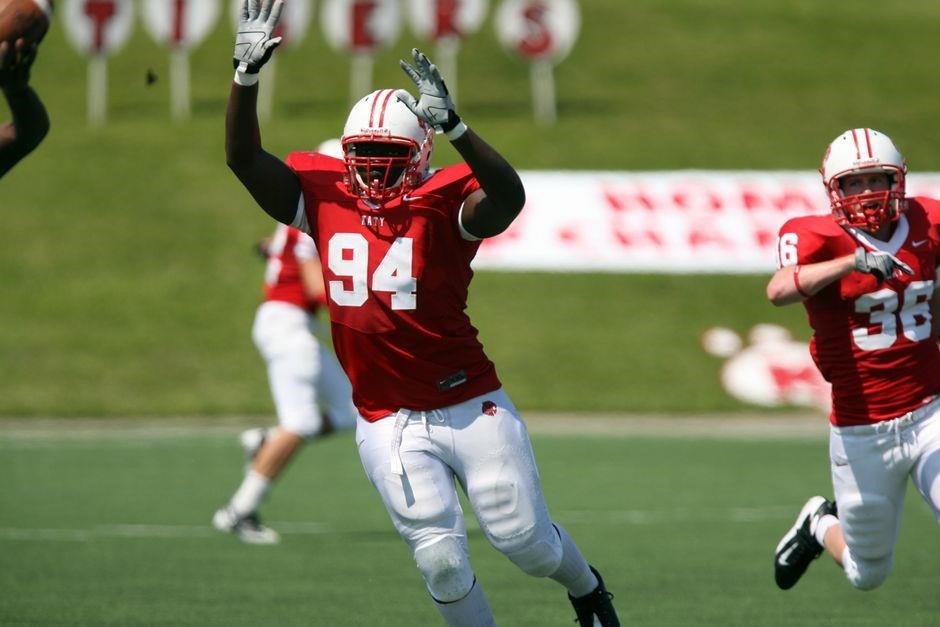
Overview of 3-4 Defense Structure
The 3‑4 defense relies on a versatile front with two defensive ends and three interior linemen, creating gaps that linebackers exploit. The scheme balances run stopping with coverage flexibility, allowing the outside linebackers to drop into zones or rush the passer as needed. It stresses disciplined gap integrity.
Fundamental roles of 3-4 defensive line and linebackers
The 3‑4 front begins with a nose tackle positioned over the center, tasked with occupying double teams and collapsing the interior gap. Two defensive ends line up outside the tackles, responsible for setting the edge, containing runs to the outside, and creating pressure on the quarterback. Their alignment allows them to collapse the pocket from the inside while still maintaining gap integrity.
Linebackers are the engine of the 3‑4 defense. The two outside linebackers (OLBs) must be versatile: they rush the passer, defend the run, and drop into coverage. The inside linebacker (ILB) anchors the middle, reads the play, and calls adjustments. Together they must maintain gap discipline, support the line on the run, and quickly shift to pass coverage when needed.
Effective communication among the line and linebackers is critical. The defensive line sets the initial stance, while the linebackers read the offensive line’s movement to decide whether to penetrate, stay in the gap, or drop back. This coordinated effort ensures the defense can shift between aggressive pass rush and solid run defense without compromising coverage responsibilities.
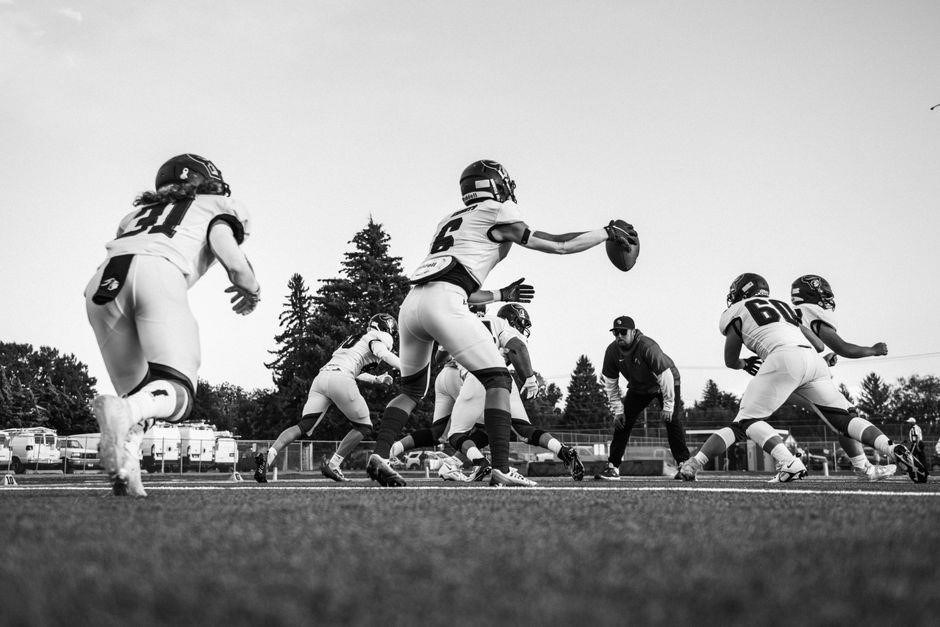
Coaching emphasis in a 3‑4 playbook often centers on gap discipline drills, where linemen practice maintaining their assigned gaps against stunts and twists. Linebackers run mirror drills to react to offensive line shifts, ensuring they can fill gaps or drop into coverage without hesitation. This is what turns a theoretical scheme into a winning defense.
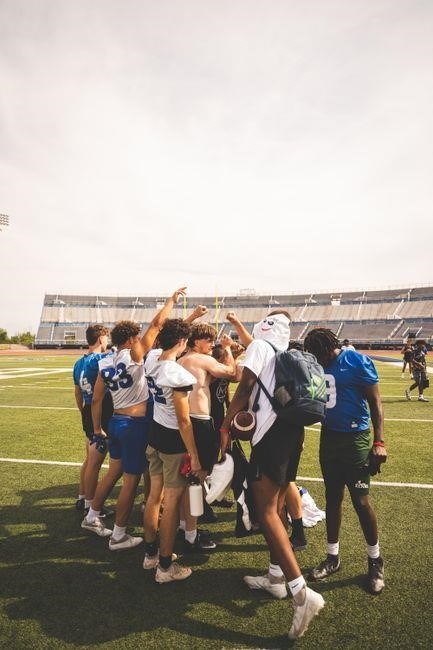
Front Alignment Variations
The 3‑4 front offers flexibility: a classic 3‑4 stance, a 4‑3 hybrid, and a 2‑4 variation. Coaches shift linemen to adjust to offensive formations, using stunts and twists to create confusion. Proper gap assignment and alignment dictate run and pass effectiveness. Coaches emphasize gap integrity for pressure and run.!

3-2-2-1, 2-2-3-1, and 4-1-2-1 front setups

In a 3‑4 scheme, the front can shift into three distinct alignments to counter varied offensive formations. The 3‑2‑2‑1 front places three defensive linemen on the line, two on the line of scrimmage, two in the second row, and one linebacker in the box. This setup emphasizes interior pressure and gap control, allowing the outside linebackers to read the play and either drop into coverage or rush the passer. The 2‑2‑3‑1 front moves one defensive end off the line, creating a 2‑2 front on the line of scrimmage, with three interior linemen in the second row and a single linebacker in the box. This alignment is ideal against power running attacks, as it provides a strong interior presence while keeping the outside edge in check. The 4‑1‑2‑1 front shifts the defensive line to a 4‑1 front, with four linemen on the line, one in the second row, and two linebackers in the box. This front is used to generate a high pass rush and to disrupt quick short passes, as the extra lineman can collapse the pocket while the linebackers support run defense. Each front requires precise gap assignments and communication among the defensive line and linebackers to maintain integrity and prevent blown assignments. Coaches often rotate these fronts during a game to keep the offense guessing and to exploit mismatches based on personnel and game plan. When the defense shifts into a 3‑2‑2‑1 front, the linebackers must read the snap count and the offensive line’s stance, then decide whether to stay in the box or step out to cover the slot receivers, ensuring that the gap integrity remains intact while still applying pressure and pressure.
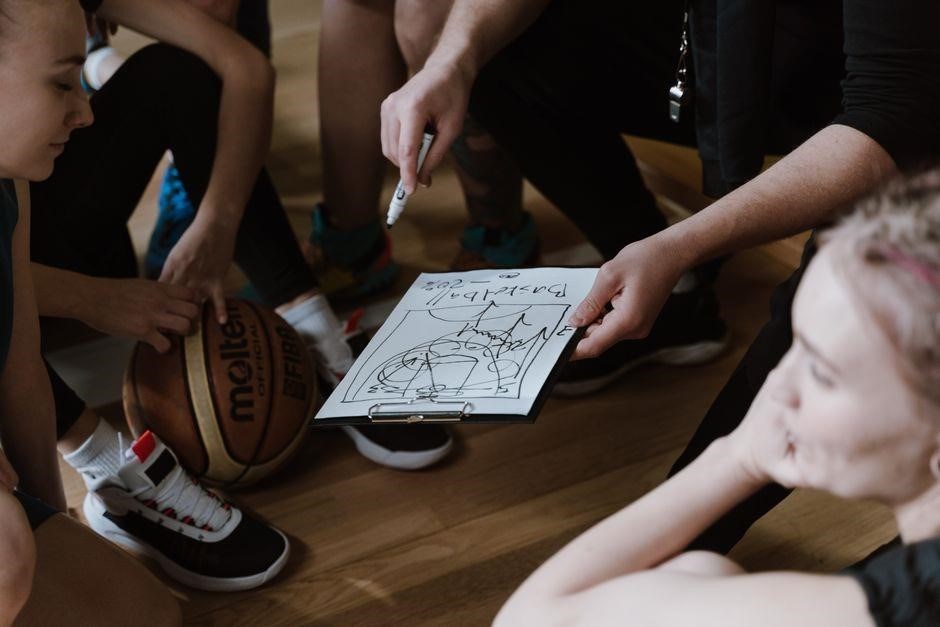
Coverage Schemes: Man vs Zone
3‑4 defenses blend man and zone coverage to counter diverse routes. Linebackers often drop into zone, while defensive backs cover man. The hybrid scheme forces offenses to misread assignments, creating confusion and forcing errors. Flexibility keeps defenders in position for both run and pass. Stay sharp. Now!
Typical 4-3 zone (Cover 2, Cover 3) adapted for 3-4 playbook
Adapting a 4‑3 zone philosophy to a 3‑4 front requires re‑thinking gap responsibilities and coverage assignments. In a traditional 4‑3 Cover 2, the two safeties split the deep half‑fields while the cornerbacks and linebackers cover underneath zones. When the 3‑4 front is deployed, the two defensive ends and the nose tackle create a 3‑line interior that forces the offense to line up in a way that opens up the middle for linebackers to read the play. The outside linebackers, now edge rushers, also take on the role of the 4‑3 outside linebackers in the Cover 2, dropping into the deep middle or the flat depending on the play call. The middle linebacker, who in a 4‑3 would often be a “Mike” responsible for the middle zone, becomes the “Will” in a 3‑4 and must read the quarterback’s eyes while maintaining gap integrity against the run. The 4‑3 Cover 3 philosophy, which splits the deep field into three vertical zones, is similarly adapted. The 3‑4 outside linebackers cover the deep middle and deep outside zones, while the inside linebackers cover short and intermediate zones. This alignment allows the 3‑4 to maintain a balanced front that can collapse the middle against the run and still provide solid pass‑coverage structure. This hybrid model allows transitions between run support and pass coverage. It enhances the ability to disguise blitzes!!!
In practice, the 3‑4 Cover 2 starts with a 3‑2‑2‑1 front: inside linebackers over A and B gaps, outside over C gaps, keeping the middle tight while rushers pressure the QB.
Blitz Packages and Variations
Blitzes in a 3‑4 system exploit the front’s flexibility. Inside blitzes use the nose tackle and a defensive end to collapse the A‑gap, while outside blitzes feature an outside linebacker spinning into the B‑gap. Triple‑option blitzes combine two linebackers and a defensive end, creating confusion for the offense!!!!!
Inside, outside, and triple‑option blitzes used in 3‑4 schemes
Inside blitzes in a 3‑4 defense typically involve the nose tackle and a defensive end attacking the A‑gap, while a linebacker drops into the B‑gap to collapse the pocket. Outside blitzes feature an outside linebacker spinning or sliding into the B‑gap, often with a defensive end or a defensive tackle following to create a double‑team on the quarterback. Triple‑option blitzes combine two linebackers and a defensive end, each attacking distinct gaps (A, B, and C) to overwhelm the offensive line and force hurried throws. The key to success lies in timing, disguise, and the ability to read the offensive line’s blocking scheme. Coaches often mix these blitzes with stunts, twists, and delayed rushes to keep the offense guessing and to exploit mismatches or weak blocking assignments. Proper execution requires disciplined gap integrity, quick hand‑fighting, and coordinated communication among the front seven and the secondary. When executed correctly, these blitz variations can create turnovers, sacks, and disrupt the timing of the opponent’s passing attack. This playbook emphasizes adaptability and disciplined execution.
Gap Responsibilities and Run Fits
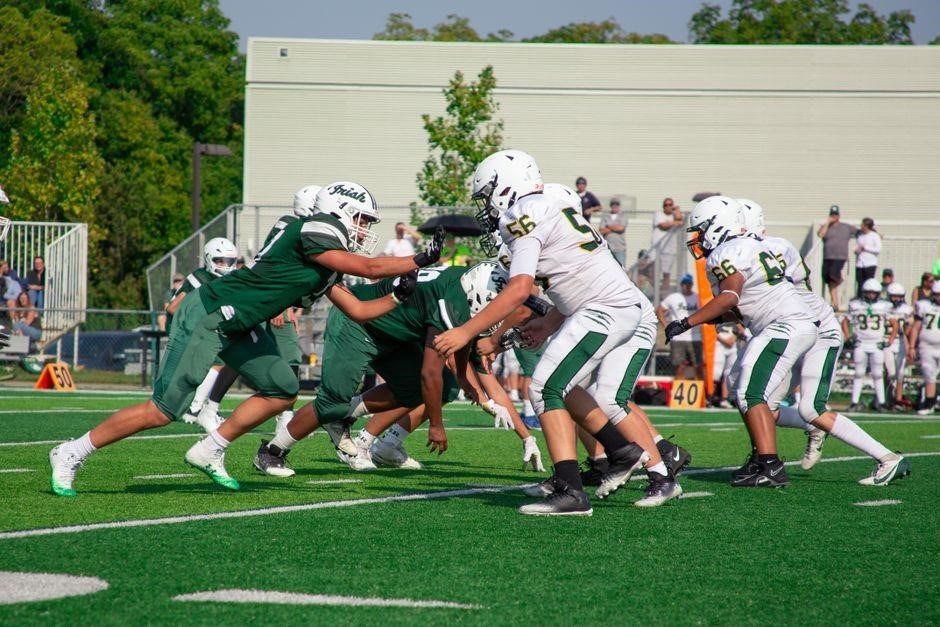
Defensive tackles seal the interior gaps, while ends control the edges. Inside linebackers read the play, occupying the B‑gap to stop runs, and outside linebackers attack the A‑gap or drop into coverage. Proper gap integrity forces the offense into mistakes!!!!!!
Gap assignments for defensive tackles, ends, and linebackers
Defensive tackles in a 3‑4 defense must control the interior gaps. The nose tackle lines over the center and occupies the A‑gap, blocking the ball carrier from cutting inside. The two defensive tackles line on either side of the nose and seal the B‑gap, forcing the offense to choose between a power run up the middle or a play‑action pass. Defensive ends line on the edges and control the A‑gap, setting the edge for outside linebackers and preventing the ball carrier from turning the corner. Outside linebackers are the most versatile players; they line in the B‑gap, read the play, and collapse the B‑gap on a power run or stay outside to contain a stretch run. They can also drop into zone coverage or rush the passer. Inside linebackers line in the C‑gap, read the quarterback’s eyes, and defend the run by filling the gap. They also cover short to intermediate routes. This combination of gap responsibilities creates a balanced defense that can adapt to both run and pass plays. The success of a 3‑4 defense hinges on disciplined gap integrity and coordinated communication among linemen and linebackers. Coaches emphasize gap assignments during practice, using drills that simulate run and pass scenarios. By mastering these responsibilities, a team can disrupt offensive schemes, force turnovers, and maintain a competitive edge throughout the season. Coordinators study opponent tendencies, adjusting gap assignments each game. A sharp 3‑4 front can collapse the pocket, force hurried throws, and create chances for interceptions or forced fumbles, turning the tide in key moments.!.
Pass Rush Techniques and Edge Control
Cornerback and linebacker rushers use spin moves, bull rushes, and double moves to collapse the pocket. Edge control hinges on hand placement, footwork, and reading the offensive tackle’s stance. Proper timing and leverage force the line of scrimmage inward, creating pressure for sacks. Pressure builds momentum.
Cornerback & linebacker rushing moves (spin, bull rush, etc.)
Cornerbacks and linebackers in a 3‑4 defense must generate edge pressure and collapse the pocket. Their arsenal includes spin moves, bull rushes, and double moves. The spin, executed from a low stance, pivots 180 degrees to sidestep the tackle while keeping the ball in front. Proper hand placement—first hand inside the tackle’s shoulder, second hand outside—creates a wedge that forces lateral movement, opening a lane for the defender to drive forward. These moves are taught through drills that emphasize timing and balance!
The bull rush is a straight‑line attack that relies on explosive first step and a powerful hand strike to collapse the pocket. By driving the tackle’s shoulder into the ground, the defender can create a gap for a sack or a forced ball‑carrier misstep. Double moves, such as a spin followed by a bull rush, keep the offensive line guessing and disrupt blocking rhythm. When executed correctly, they disrupt quarterback’s rhythm and force throws.
Hybrid techniques, like reverse spin or spin‑to‑spin, involve a defender spinning one direction then pivoting opposite to unbalance the line. Cornerbacks also use step‑back moves to create space and accelerate forward, forcing the tackle to overcommit. Linebackers employ edge‑control moves that shift the defender to the outside, then change direction to maintain pressure. Mastery requires footwork drills, hand‑strength training, and video analysis of the opponent’s line tendencies. It becomes a weapon in every game. Daily! Now!!
PDF Resources and Playbook Access
Official 3‑4 playbooks are available on college athletic sites, NFL team pages, and coaching forums. Search “3‑4 defense PDF” on the NCAA website, use the NFL’s playbook portal, or download free versions from Pro Football Focus. Verify copyright before sharing. Download them safely and practice for optimal results!!!
Where to find official 3-4 defense playbook PDFs and download tips
Finding authentic 3‑4 playbooks requires navigating reputable sources. The NCAA’s official site hosts team‑specific PDFs for each member school; search “3‑4 defense playbook” in the “Coaching Resources” section and download the PDF directly. NFL teams publish their playbooks on the NFL’s official playbook portal; use the “Team Playbooks” tab, select your team, and click the PDF link. Pro‑football coaching forums such as ProFootballFocus and the Coaching Corner offer curated PDFs, but verify that the files are from the current season to avoid outdated schemes. For free, open‑access versions, the College Football Playbook Archive (cfpa.org) aggregates PDFs from public‑domain schools; use the search bar to locate “3‑4 defense” and download the file. When downloading, ensure the file size matches the expected 500‑800 KB range, indicating a complete playbook. Use a reliable PDF viewer like Adobe Acrobat Reader or Foxit Reader to open the document. If the PDF is password‑protected, contact the team’s coaching staff or the NCAA’s media office for access; Always respect copyright: use the playbook for personal study, not for commercial distribution. For mobile study, convert the PDF to a PDF‑to‑text format using an online converter, then upload to a cloud storage service such as Google Drive or Dropbox for offline access. Finally, back up the file on an external drive to prevent data loss. By following these steps, you’ll obtain a legitimate, up‑to‑date 3‑4 defense playbook PDF for effective coaching preparation. Keep the PDF refreshed each season; defensive trends shift quickly, and an up‑to‑date playbook keeps your unit sharp.!!!!