Western Wear Guide: A Comprehensive Overview
Delve into the captivating world of Western wear, a style born from practicality and romanticized by Hollywood’s golden age, blending history with modern trends.
What is Western Wear? Defining the Style
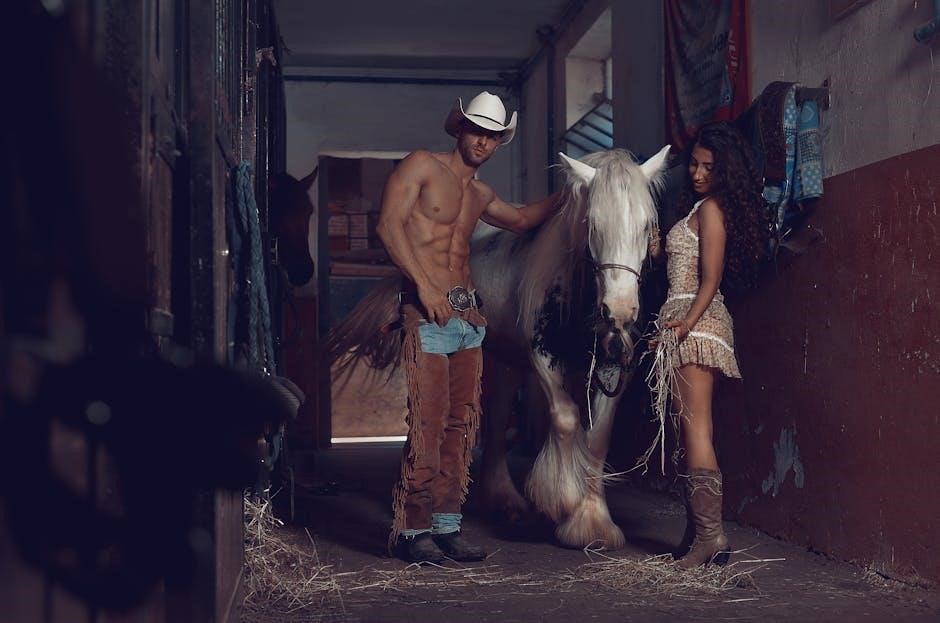
Western wear is more than just clothing; it’s a deeply rooted aesthetic reflecting the history and lifestyle of the American West. Initially born from the functional needs of ranchers, cowboys, and pioneers in the 19th century, it evolved into a distinctive fashion statement.
At its core, the style emphasizes durability, practicality, and a rugged individualism. Key elements include denim jeans, often with a straight or bootcut leg, paired with Western shirts featuring distinctive yokes, snap closures, and intricate embroidery. Cowboy boots, a defining feature, come in various leathers, heel heights, and toe shapes.
However, Western wear isn’t static. It’s continually reinterpreted, blending traditional elements with contemporary fashion. Today, it encompasses everything from authentic ranch-wear to high-fashion interpretations, appealing to a broad audience seeking a blend of comfort, style, and a touch of Western heritage.
The Historical Roots of Western Fashion
The origins of Western wear are inextricably linked to the practical demands of life on the American frontier during the 19th century. Clothing wasn’t about aesthetics initially; it was about survival and functionality. Ranchers and cowboys needed durable garments capable of withstanding harsh conditions and the rigors of their work.
Early influences came from various sources – Spanish vaqueros, Mexican charros, and Native American attire. These cultures contributed elements like the use of leather, the development of specific riding styles, and decorative details. The clothing was adapted to suit the climate and the needs of those working with cattle.
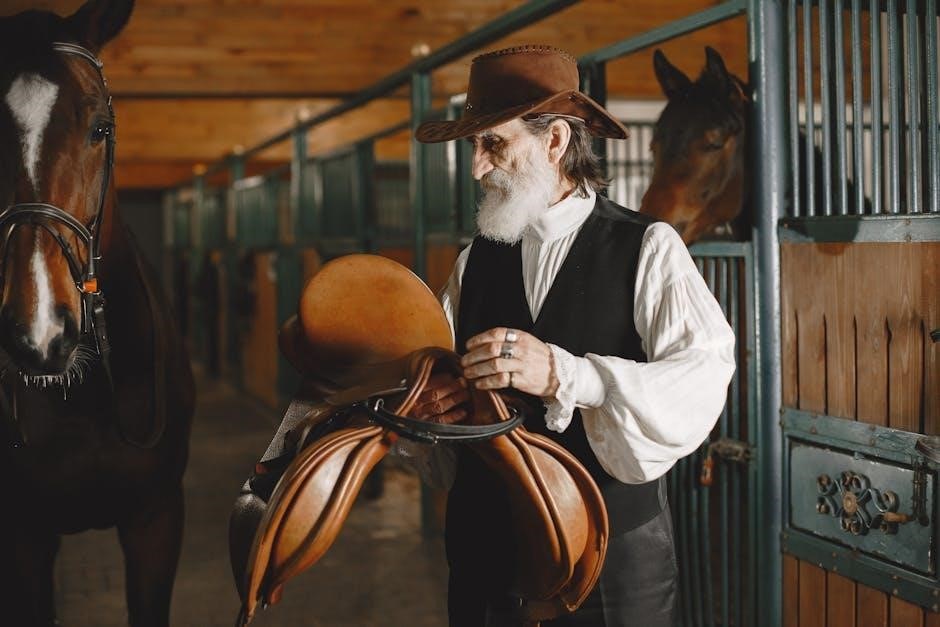
As the West expanded, so did the evolution of its clothing. The style wasn’t immediately codified, but gradually, certain garments – sturdy denim, practical shirts, and protective boots – became synonymous with the Western lifestyle, laying the foundation for the iconic look we recognize today.
Early Influences: 19th Century Ranch Wear
19th-century ranch wear was a melting pot of practicality and cultural exchange, heavily influenced by the needs of cowboys and the environments they inhabited. Spanish and Mexican traditions played a pivotal role, particularly through the vaquero and charro styles. These horsemen popularized leather chaps for leg protection, ornate saddles, and distinctive shirt designs.
Native American influences were also significant, contributing elements like fringed garments and beadwork, often incorporated for both decorative and spiritual purposes. Cowboys adopted durable materials like denim – initially for workwear due to its strength – and canvas for shirts and trousers.
Boots were essential, evolving from simple work boots to those with higher heels for secure stirrup placement. Hats provided sun protection, and bandanas served multiple purposes, from wiping sweat to filtering dust. This blend of functionality and cultural adaptation formed the bedrock of early Western fashion.
The Golden Age of Western Movies (1930s-1950s)
The 1930s through the 1950s witnessed a dramatic popularization of Western wear, largely fueled by the explosion of Western films. Hollywood icons like John Wayne, Gene Autry, and Roy Rogers became style ambassadors, their on-screen attire influencing civilian fashion.
Western shirts, often adorned with yokes, embroidery, and pearl snaps, gained widespread appeal. Denim jeans, initially workwear, transitioned into a casual staple, popularized by movie stars. Cowboy boots, with their distinctive silhouettes and craftsmanship, became a coveted fashion item.
Movie costumes weren’t always historically accurate, often romanticizing and exaggerating elements for dramatic effect. This created a glamorous, idealized version of Western wear that resonated with audiences. The era cemented the cowboy image as a symbol of rugged individualism and American spirit, driving demand for Western-inspired clothing.
Key Components of Western Wear for Men
A classic Western look for men revolves around three core elements: the Western shirt, denim jeans, and cowboy boots. Each piece carries a history of functionality and style, evolving over decades.
Western shirts are distinguished by features like yokes, snap closures, and often, intricate embroidery. Fabrics range from durable cotton to softer blends. Denim jeans, initially designed for laborers, are favored for their robustness and fit – straight-leg or bootcut are common choices.
Cowboy boots are arguably the most iconic element, varying in leather type, heel height, and toe shape (pointed, square, or rounded). These aren’t merely footwear; they’re a statement of heritage and craftsmanship. Completing the ensemble requires thoughtful accessories, but these three components form the foundation of authentic men’s Western wear.
Western Shirts: Styles, Fabrics, and Details
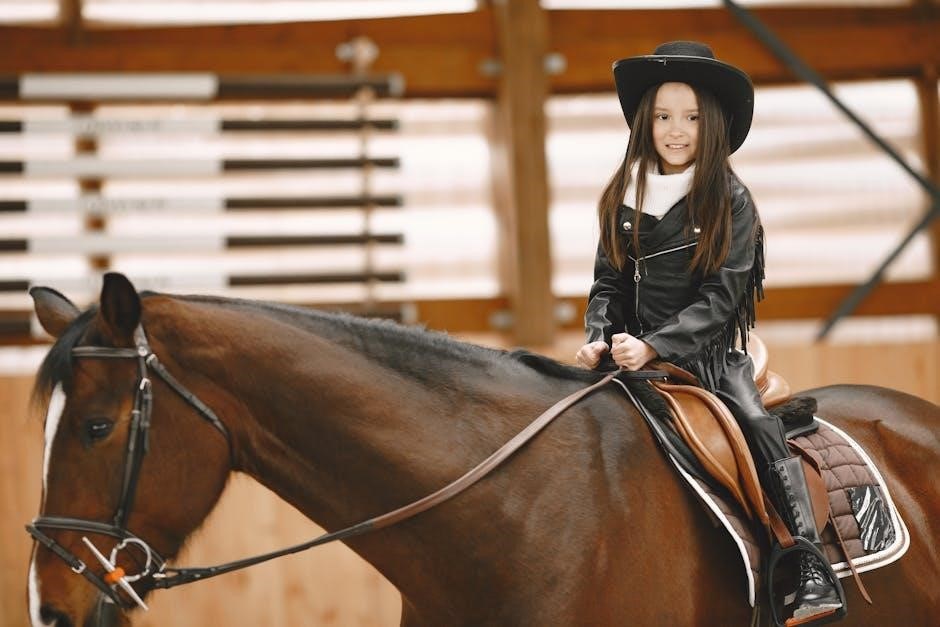
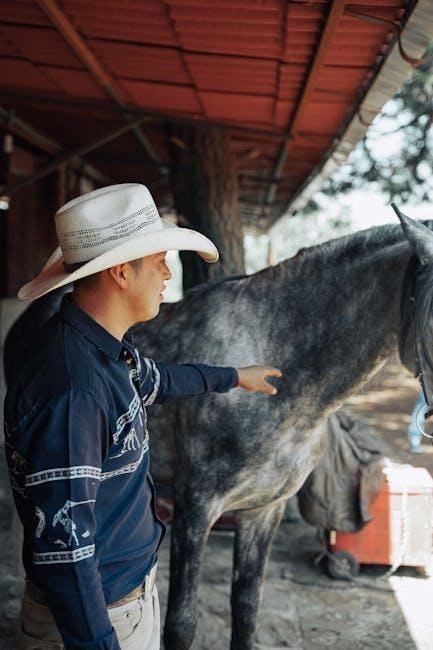
The Western shirt is a cornerstone of the style, evolving from practical ranch wear to a fashion statement. Styles range from classic snap-front shirts to more decorative options with yokes and piping.
Fabrics traditionally include durable cotton, denim, and chambray, chosen for their resilience. Modern variations incorporate softer blends for increased comfort. Key details define the Western aesthetic: yokes across the shoulders, often embellished with embroidery, and pearl snap closures instead of buttons.
Look for features like long sleeves with buttoned cuffs, a pointed collar designed for wear with a hat, and a relaxed fit for ease of movement. Intricate stitching and bold patterns further enhance the shirt’s visual appeal, reflecting the spirit of the American West.
Denim Jeans: Fit, Wash, and Features
Denim jeans are integral to Western wear, originating as durable work pants for cowboys and ranchers. The fit is crucial; straight-leg and bootcut styles are most traditional, accommodating cowboy boots. A higher rise waist is also common, reflecting the jeans’ historical function.
Wash variations range from dark, raw denim to lighter, pre-washed options. Dark washes offer a classic, rugged look, while lighter washes provide a more relaxed, modern feel. Distressed denim, with fading and whiskering, adds character and a worn-in aesthetic.
Key features include reinforced stitching for durability, a five-pocket design, and often, a watch pocket. Look for details like subtle embroidery or contrasting stitching to elevate the style. Quality denim ensures both comfort and longevity, embodying the enduring spirit of the West.
Cowboy Boots: Leather, Heel Height, and Toe Shapes
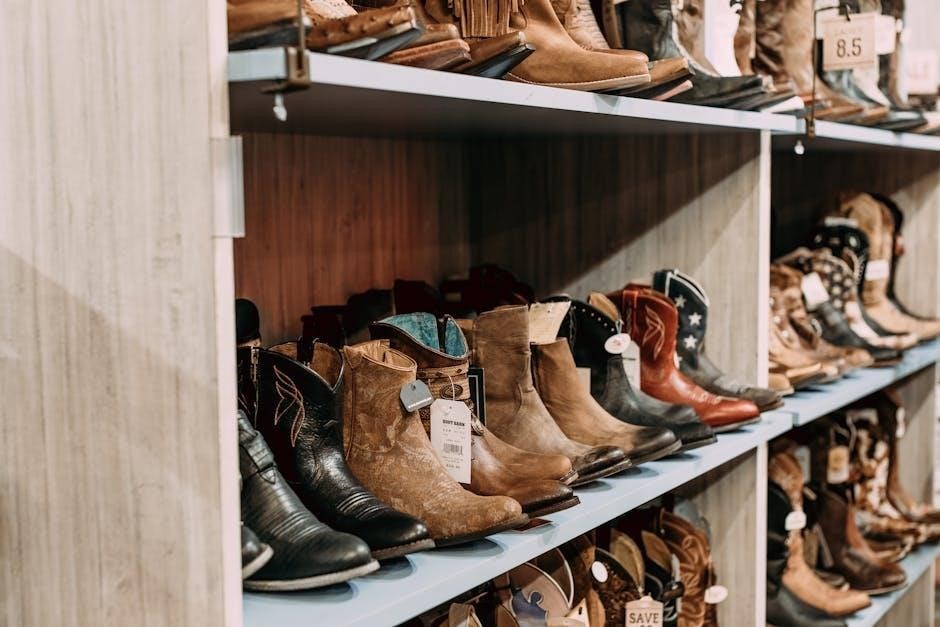
Cowboy boots are arguably the most iconic element of Western wear, evolving from practical footwear to a fashion statement. Leather quality is paramount, with options ranging from durable cowhide to exotic skins like alligator or ostrich. The choice impacts both appearance and price.
Heel height varies, influencing both style and functionality. A moderate heel provides stability for riding, while higher heels offer a more fashionable silhouette. Heel shape also matters, with stacked leather heels being traditional.
Toe shapes are diverse, including pointed, square, and rounded toes; Pointed toes are classic and elegant, square toes offer a bolder look, and rounded toes provide a more comfortable fit. Consider the overall outfit and intended use when selecting a toe shape. Proper fit is essential for comfort and preventing blisters.
Essential Western Wear for Women
Western wear for women beautifully blends rugged functionality with feminine flair, offering a versatile and stylish aesthetic. The foundation lies in adaptable pieces that can be dressed up or down, reflecting both heritage and contemporary trends.
Cowgirl boots are central, available in diverse heights, colors, and embellishments, easily paired with dresses, jeans, or skirts. Western shirts, often featuring yokes, embroidery, or snap closures, add authenticity. Denim remains a staple, with options ranging from classic straight-leg jeans to modern, fitted styles.
Silhouettes are evolving, incorporating skirts and dresses with Western-inspired details. Accessories like belts with statement buckles, turquoise jewelry, and cowboy hats complete the look, allowing for personal expression and a nod to the enduring spirit of the West.
Cowgirl Boots: Variations and Styling
Cowgirl boots are arguably the most iconic element of Western wear, evolving significantly in style and function over time. Variations abound, from classic leather designs to modern interpretations with vibrant colors and unique embellishments.
Heel heights range from practical walking heels to dramatically higher styles for a bolder look. Toe shapes include pointed, rounded, and square toes, each influencing the overall silhouette. Leather quality is paramount, with options like calfskin, suede, and exotic hides.
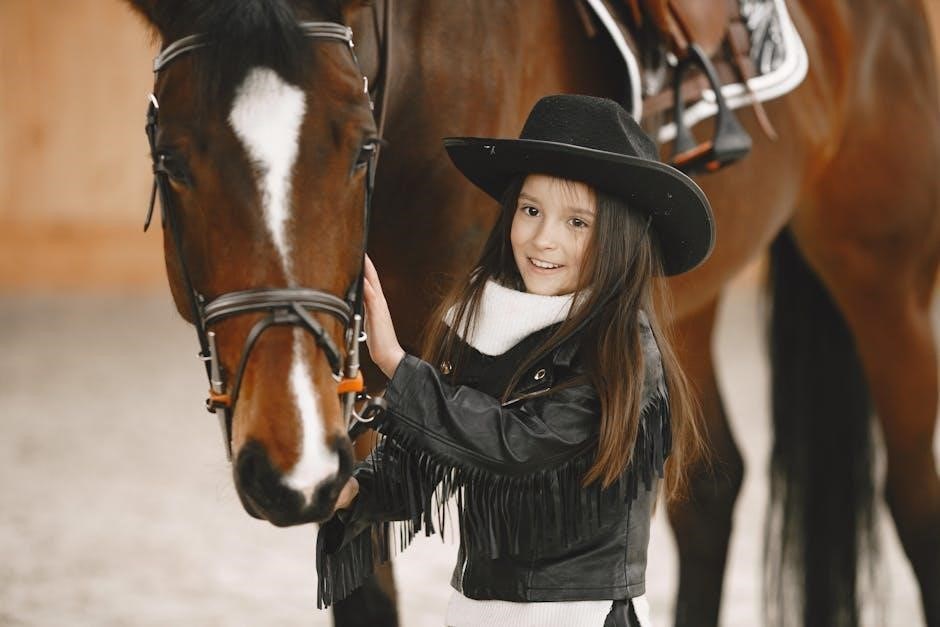
Styling cowgirl boots is remarkably versatile; they complement dresses, skirts, and jeans equally well. Pair them with flowing maxi dresses for a bohemian vibe, or with distressed denim for a classic Western aesthetic. Don’t be afraid to experiment with colors and patterns to express your individual style!
Western Shirts & Blouses: Feminine Touches
Western shirts and blouses for women beautifully blend rugged practicality with delicate feminine details, offering a diverse range of styles. Traditional options feature yokes, embroidery, and pearl snaps, echoing the heritage of ranch wear, while modern designs incorporate softer fabrics and flattering cuts.
Look for blouses with ruffled details, delicate lace accents, or floral prints to add a touch of romance. Fitted silhouettes accentuate the waist, while flowing styles offer a relaxed, comfortable fit. Color palettes range from classic denim blues and earthy tones to vibrant reds and playful pastels.
Pair a fitted western shirt with high-waisted jeans and cowgirl boots for a timeless look, or dress up a flowing blouse with a skirt and statement jewelry. The key is to balance the masculine and feminine elements for a harmonious and stylish ensemble.
Denim & Skirts: Modern Western Silhouettes
Denim remains a cornerstone of Western wear, evolving beyond traditional jeans into a variety of modern silhouettes for women. While classic bootcut and straight-leg jeans are staples, explore options like high-waisted skinnies, cropped flares, and distressed washes for a contemporary twist.
Skirts offer a feminine alternative, ranging from denim mini skirts to flowing maxi skirts with Western-inspired prints. A-line skirts and pencil skirts in denim or suede provide versatile options for both casual and dressy occasions. Consider skirts with fringe detailing or embroidery for an authentic Western touch.
Pair denim with a tucked-in western blouse and cowgirl boots for a classic look, or dress up a skirt with a fitted top and statement belt. Experiment with different washes and cuts to find silhouettes that flatter your figure and express your personal style.
Western Accessories: Completing the Look
Accessories are paramount in elevating a Western outfit from simple attire to a statement of style. A well-chosen hat, whether a classic cowboy hat, a practical straw hat for warmer weather, or a stylish fedora, instantly defines the look.
Belts and buckles are crucial; a bold, statement buckle transforms a simple pair of jeans. Opt for leather belts with intricate tooling or silver buckles featuring Western motifs. Jewelry, particularly turquoise and silver pieces, adds authenticity. Think concho belts, squash blossom necklaces, and silver rings.
Don’t overlook bandanas, often worn around the neck or tied to a handbag, and Western-inspired scarves. These small details contribute significantly to the overall aesthetic, completing the look with a touch of rugged elegance.
Hats: Cowboy Hats, Straw Hats, and More
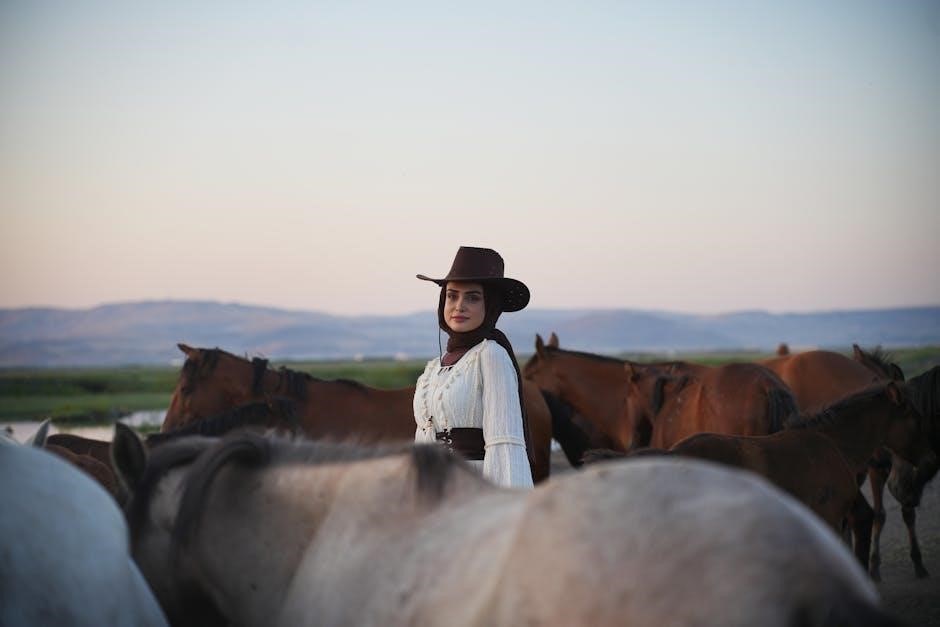
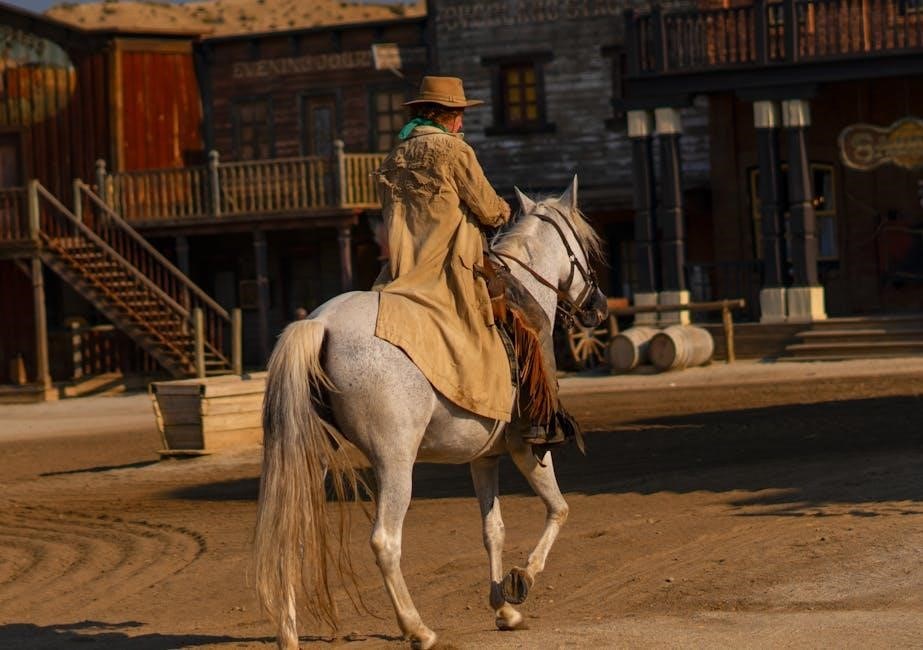
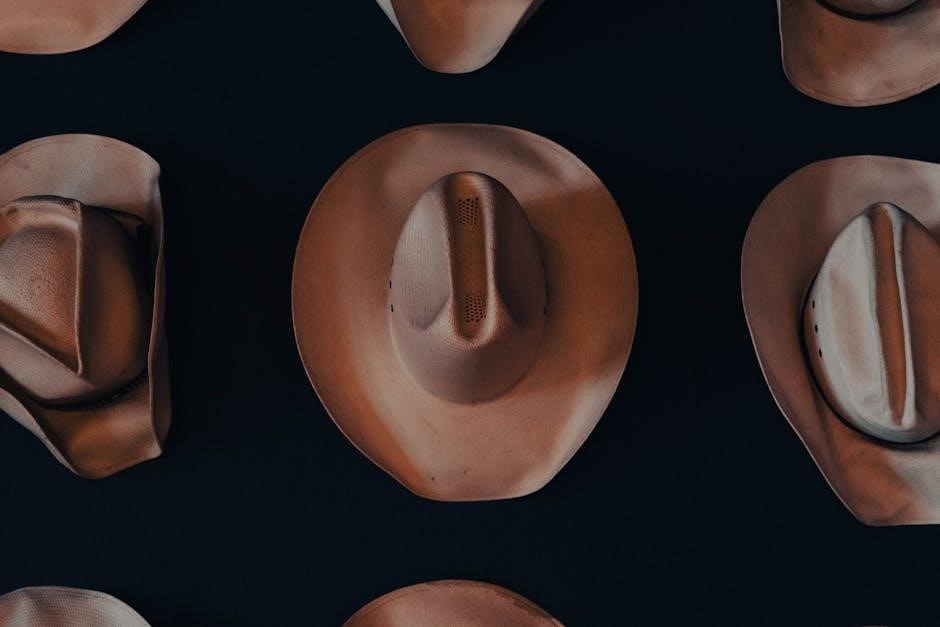
The hat is arguably the most iconic element of Western wear, instantly evoking the spirit of the American West. Cowboy hats, traditionally made of felt, come in various shapes – from the Cattleman to the Gus – each with a distinct crown and brim. Felt hats offer warmth and durability, suitable for cooler climates and formal occasions.
Straw hats provide a lighter, more breathable option for warmer weather, often seen during ranch work or casual outings. Panama hats, while not strictly Western, can complement the style with a touch of sophistication. Beyond the traditional styles, consider fedoras or other brimmed hats that echo the Western aesthetic.
Proper hat care is essential; shaping and cleaning maintain its form and longevity. A well-chosen hat isn’t just an accessory; it’s a symbol of Western heritage.
Belts & Buckles: Statement Pieces
Western belts and buckles are far more than functional accessories; they are bold statements of personal style and craftsmanship. Traditionally, belts were essential for holding up jeans, but they quickly evolved into a canvas for showcasing artistry. Large, ornate buckles, often crafted from silver or brass, became symbols of status and individuality.
Look for buckles featuring intricate designs – turquoise inlays, engraved longhorns, or rodeo motifs are popular choices. Leather belts themselves vary in width and tooling, from simple, smooth designs to elaborately embossed patterns. The belt should complement the overall outfit, adding a touch of rugged elegance.
A quality leather belt, paired with a striking buckle, elevates any Western ensemble, demonstrating attention to detail and a connection to the heritage of the West.
Jewelry: Turquoise, Silver, and Western Motifs
Western jewelry embodies the spirit of the American West, characterized by bold designs and natural materials, particularly turquoise and silver. Turquoise, revered by Native American cultures for centuries, became a cornerstone of Western adornment, symbolizing protection and good fortune. Silver provides a beautiful contrast and enhances the stone’s vibrant color.
Common motifs include depictions of horses, cattle, cacti, and Native American patterns. Squash blossoms, concho belts, and silver cuffs are iconic pieces. Both men and women embrace these styles, often layering necklaces and bracelets for a more pronounced effect.
Authentic pieces often showcase skilled craftsmanship, reflecting the rich artistic traditions of the Southwest. Jewelry serves as a powerful expression of Western identity and heritage.
Modern Western Fashion Trends (2024-2026)
The years 2024-2026 witness a resurgence of Western aesthetics, blending traditional elements with contemporary silhouettes and a focus on practicality and style. Cowgirl chic remains prominent, with an emphasis on comfortable yet fashionable garments suitable for everyday wear. Expect to see a rise in denim-on-denim looks, incorporating vintage washes and unique distressing.
Feminine touches, like floral embroidery on denim jackets and ruffled blouses paired with rugged jeans, are gaining traction. Western-inspired dresses and skirts, often featuring prairie details, offer a softer take on the trend. Accessories are key, with statement belts and boots continuing to dominate.
Sustainability and ethical sourcing are increasingly important, driving demand for vintage and locally-made Western wear.
Western Wear Beyond the Ranch: Incorporating the Style into Everyday Life
Western wear’s appeal extends far beyond rural settings, seamlessly integrating into modern wardrobes with a touch of rugged elegance and practicality. The key lies in subtle incorporation – a beautifully crafted leather belt with jeans and a simple tee, or a Western-inspired shirt paired with tailored trousers.
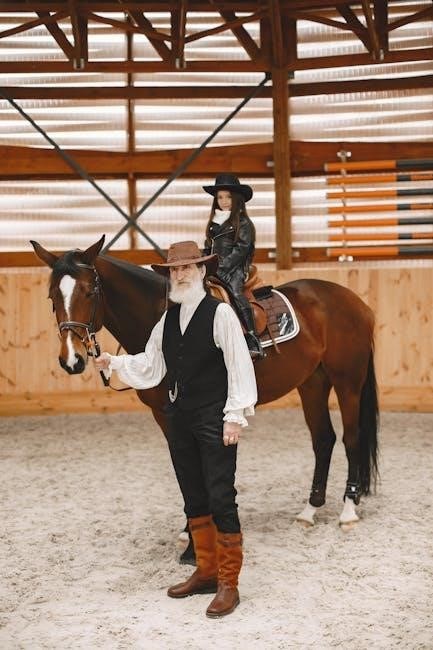
Cowboy boots, once strictly utilitarian, are now a fashion statement, complementing dresses, skirts, and even suits. Denim, a cornerstone of Western style, remains versatile, easily dressed up or down. Layering is crucial; a denim jacket or a Western-style vest adds character to any outfit.
Accessories, like turquoise jewelry or a classic cowboy hat (worn appropriately), can elevate a look without being overwhelming. Embrace the comfort and durability inherent in Western wear for a stylish, everyday aesthetic.
Where to Buy Authentic Western Wear
Sourcing authentic Western wear requires discerning between mass-produced imitations and genuine craftsmanship. Specialty Western stores, both brick-and-mortar and online, are excellent starting points, offering curated selections and expert advice. Look for retailers specializing in brands with a long-standing heritage in Western apparel.
Consider visiting working ranches or attending Western lifestyle events, often hosting vendors selling directly to the public. Online marketplaces like Etsy can connect you with independent artisans creating unique, handmade pieces.
Reputable bootmakers often have online stores or partnerships with select retailers. Research brands known for quality leather, construction, and authentic detailing. Don’t hesitate to invest in pieces that will last, prioritizing quality over fleeting trends.
Caring for Your Western Wear: Maintenance and Longevity
Preserving the beauty and durability of your Western wear demands specific care techniques. Leather goods, like boots and belts, benefit from regular conditioning to prevent cracking and maintain suppleness. Clean leather with specialized products, avoiding harsh chemicals. Denim should be washed sparingly, ideally inside out, to retain its color and shape.
Hats require gentle cleaning with a soft brush and appropriate hat cleaner. Store hats properly to maintain their form. Western shirts, especially those with intricate embroidery, may require professional cleaning.
Proper storage is crucial; hang shirts and jackets, and use boot trees to preserve boot shape. Regular maintenance extends the life of your investment, ensuring your Western wear remains a timeless staple.
The Influence of Western Wear on High Fashion
Western aesthetics have repeatedly infiltrated the world of high fashion, demonstrating its enduring appeal and adaptability. Designers frequently draw inspiration from iconic Western elements – denim, fringe, cowboy boots, and turquoise jewelry – reinterpreting them for contemporary runways. This influence isn’t merely superficial; it represents a fascination with the rugged individualism and romantic spirit associated with the American West.
From subtle nods like denim jackets paired with couture dresses to full-blown Western-themed collections, the impact is undeniable. The practicality and durability inherent in Western wear also resonate with modern fashion’s increasing focus on functionality.
This cross-pollination elevates Western wear beyond its traditional roots, solidifying its status as a significant force in global style.